- THE GLOBAL HUSTLR
- Posts
- US–IRAN CONFLICT: WHAT AFRICAN INVESTORS MUST KNOW NOW
US–IRAN CONFLICT: WHAT AFRICAN INVESTORS MUST KNOW NOW

The Global Hustlr
March 02, 2026

You wake up one morning, check the markets… and everything is red.
Oil spikes. Gold rips higher—airlines tank. Defence stocks pop.
And suddenly every headline screams the same thing:
US–Iran conflict.
Let’s break down what’s actually happening, what history tells us, and—most importantly—how African investors can position themselves to profit rather than panic.
WHAT’S DRIVING MARKETS RIGHT NOW
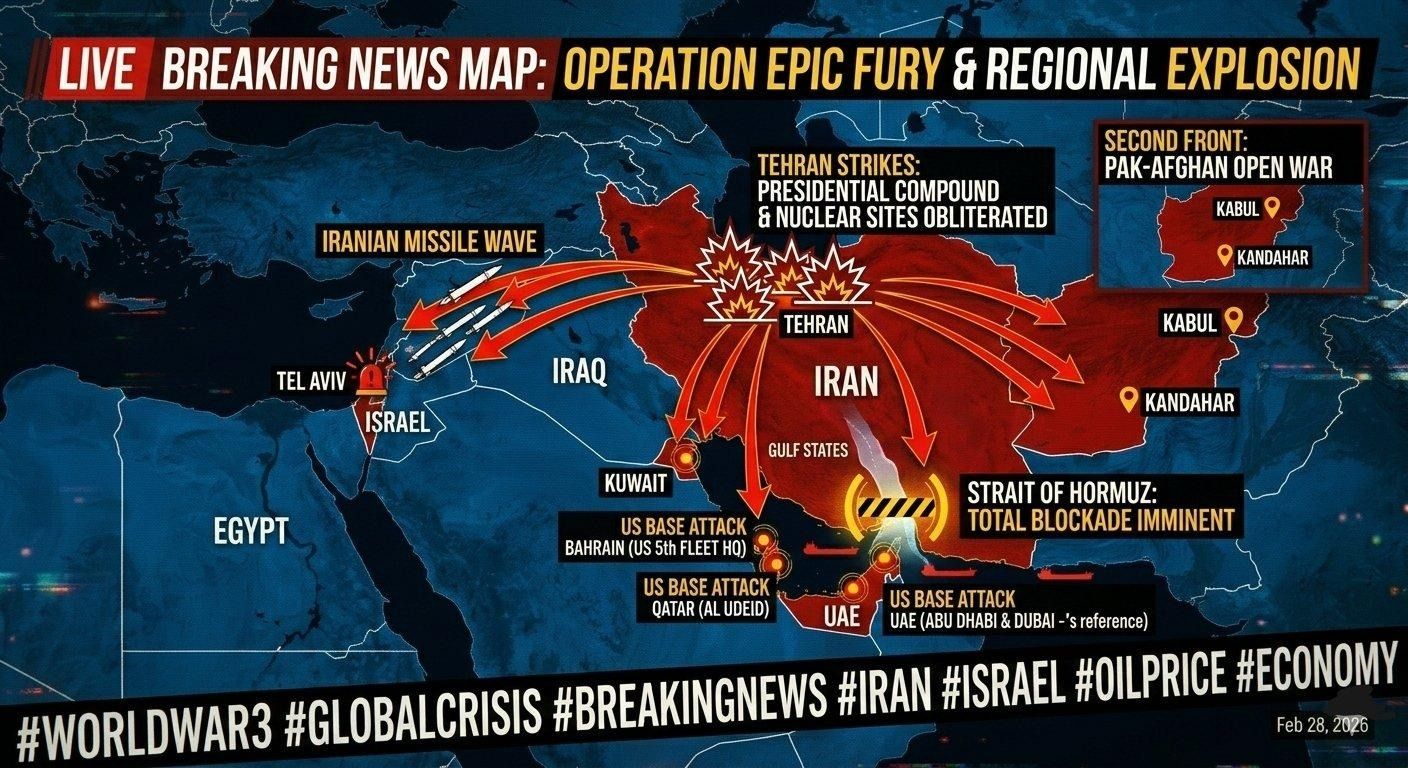
Recent US–Israel strikes on Iran have pushed geopolitical risk to the front of every trader’s mind.
This isn’t abstract. It’s already moving markets:
Oil and gold are climbing as investors rush into safe havens and price in supply disruptions.
Global equities are wobbling, especially sectors sensitive to energy costs and travel.
Airline stocks are getting hammered, with major US carriers down sharply.
Safe-haven currencies like the Swiss franc and yen are strengthening.
The biggest fear?
A disruption in the Strait of Hormuz, the narrow waterway through which one-third of global seaborne oil and 20% of LNG flows. A prolonged closure could tip the world into recession.

WHY THIS MATTERS FOR THE GLOBAL ECONOMY
The Iran conflict isn’t just a military story—it’s a macroeconomic one.
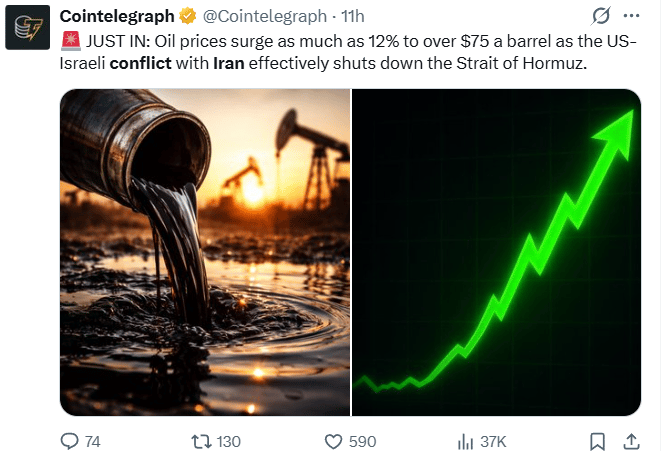
Energy shock risk: Iran produces ~3.3M barrels/day and sits on the world’s most important oil chokepoint. Any disruption sends oil prices soaring.
Higher inflation: Rising oil = higher transport, food, and manufacturing costs globally.
Tighter financial conditions: Higher inflation forces central banks to stay hawkish longer.
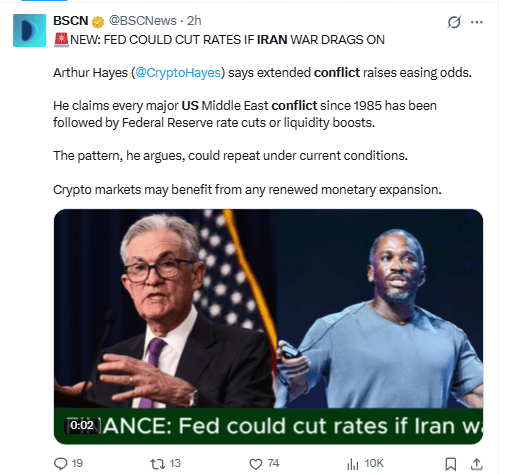
Falling business confidence: Companies delay hiring and investment when geopolitical uncertainty spikes.
This is the kind of environment where markets get choppy… but opportunities emerge.
WINNERS AND LOSERS IN A US–IRAN CONFLICT
Winners
Oil & Gas Producers
Higher crude prices boost revenue and margins.
Think: global majors, US shale, LNG exporters.Gold & Precious Metals
Investors flee to safety. Gold and silver typically rise during geopolitical shocks.
Gold already shows upward momentum in conflict headlines.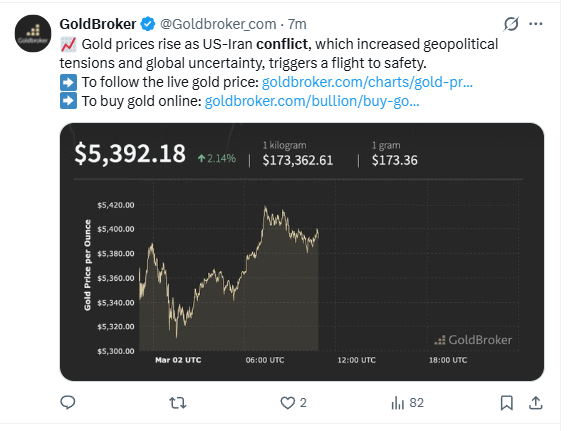
Defence & Aerospace
Rising military spending = rising order books.
Defence stocks have already reacted positively.Safe-Haven Currencies & Bonds
Yen, Swiss franc, and US Treasuries strengthen as risk appetite falls.
Losers
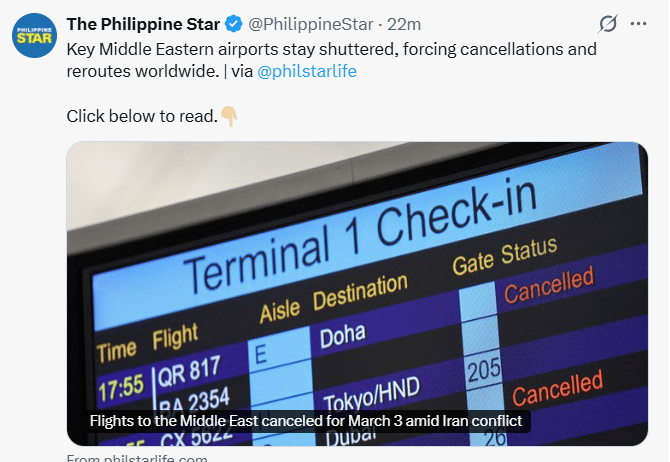
Airlines & Travel
Higher fuel costs + lower demand = falling share prices.
US airlines are already down 6–8%.Emerging Markets
Higher oil prices hurt oil-importing African economies (Kenya, Ghana, Rwanda).Global Equities (Short Term)
Volatility spikes. Indices like the S&P 500 wobble on every headline.Shipping & Logistics
Insurance costs rise. Freight rates jump. Supply chains slow.
WHAT HISTORY TEACHES US
Geopolitical shocks follow a predictable pattern.
1. Oil shocks = short-term pain, long-term recovery
1973 Oil Embargo: Oil prices quadrupled. Markets fell sharply… then recovered within 12–18 months.
1990 Gulf War: Oil spiked 130% in months. Markets dipped, then rallied strongly after conflict clarity.
2019–2020 Iran tensions: Oil jumped, gold surged, but markets stabilised quickly once escalation cooled.
Pattern:
Markets hate uncertainty. Once the path becomes clearer—even if the news is bad—equities rebound.
WHAT THIS MEANS FOR AFRICAN ECONOMIES
African markets are uniquely exposed to global energy shocks.
Oil-importing countries (Kenya, Ghana, Rwanda)
Higher fuel prices
Currency pressure
Rising inflation
Oil-exporting countries (Nigeria, Angola)
Higher government revenue
Stronger FX inflows
Improved fiscal stability
But the real opportunity lies in global markets, where African investors can position themselves strategically.
WHAT THIS MEANS FOR AFRICAN INVESTORS
You don’t need to predict geopolitics.
You need to position yourself intelligently.
1. Own Energy Exposure
Oil shocks benefit:
US energy ETFs
Global oil majors
LNG exporters
Midstream pipeline companies (steady cash flows)
2. Add Gold as a Hedge
Gold is a classic crisis asset.
A 5–10% allocation can stabilise your portfolio during volatility.
3. Consider Defence Stocks
Defence spending rises during geopolitical tension.
These companies have long-term government contracts and steady cash flows.
4. Avoid or Reduce Exposure To
Airlines
Travel & tourism
Highly leveraged companies are sensitive to interest rates
Emerging markets are heavily dependent on imported oil
5. Stay Long-Term Focused
Conflicts create noise, not permanent damage.
The S&P 500 has survived:
World wars
Oil shocks
Terror attacks
Financial crises
Pandemics
And still compounded wealth for disciplined investors.
A SIMPLE GUIDE TO POSITIONING YOUR PORTFOLIO
Step 1: Build a Core
Broad US index fund (S&P 500 or total market)
Global ETF for diversification
Step 2: Add Strategic Hedges
5–10% gold
5–15% energy exposure
5–10% defence stocks
Step 3: Automate Your Investing
Use dollar-cost averaging to buy consistently—especially during volatility.
Step 4: Keep Cash Ready
Conflicts create dips.
Dips create opportunities.
THE BOTTOM LINE
Geopolitical shocks feel scary in the moment.
But they’ve historically been buying opportunities, not reasons to run.
Oil spikes. Gold rises. Markets wobble.
Then clarity returns—and long-term investors win.
🚀 Join the Movement
If this helped you make sense of the week:
Subscribe so you never miss a clear, Africa-focused breakdown of global markets.
Share this issue with one friend or colleague who wants to invest globally in 2026 but feels overwhelmed by the noise.
Join The Global Hustlr community – built for African professionals who want to understand markets, access global opportunities, and build serious wealth, one paycheque at a time.
This newsletter is strictly educational and not investment advice . The content provided does not constitute personal advice or a personal recommendation. No content should be relied upon as constituting personal advice or a personal recommendation when making your decisions. If you require any personal advice or recommendations, please speak to an independent qualified financial adviser.
Reply